by Pranavi Mancham
I drop my phone at the sight. A headline on my screen screams: “SOUTH CAROLINA BANS 10 MOREBOOKS IN SCHOOLS.” I scroll quickly through the list, my eyes catching on familiar titles, ones I’ve seen passed between friends, pulled from bookbags, worn out and loved. The article says that my home, South Carolina, is now the nation’s leader in statewide mandated book bans. Feeling my heart sink to my feet, I forward the news to my friend. Within minutes, she replies, “The Perks of Being a Wallflower? That’s my favorite book!”
One among the twenty-two books – and potentially more to come – currently banned in South Carolina schools, The Perks of Being a Wallflower narrates difficult but beautiful stories that mirror the lives of countless teenagers sitting in our classrooms. By discussing mental health, abuse, discrimination, and the discovery of identity, these books address serious realities that we and our peers will encounter as we grow into adulthood, if we haven’t encountered them already. Instead of introducing us to hardship, they help us make sense of it and provide reassurance. Permanently closing these chapters doesn’t make reality disappear.
Yet these crucial topics are often the basis for targeting these books. The South Carolina State Board of Education, in charge of these bans, is not required to read the books before voting, which makes me question: What does it say about us when decisions about an entire generation’s education are made without engaging with what’s being erased? What message do we send when we let fear lead instead of understanding?
Books are bridges. They cultivate well-rounded, informed, and critical thinkers, as well as literate members of society. In an era where attention spans are shrinking and the National Assessment of Educational Progress reports declining literacy rates, a book that truly resonates with a student is more precious than ever. Such stories can pull the pickiest students into learning to see through another person’s eyes and question the world around them. We need more empathy in our schools and in our rising generations, and removing books from our schools’ shelves does not protect us; it deprives us of connection and growth.
We live in a time when harmful content is just a tap away, when distractions are designed to be addictive, and constant noise and misinformation surround us. Books, one of the few places where a student can find quiet and truth, should be the last thing we keep children from accessing. A 2023 survey by First Book Research & Insights found that 72 percent of educators reported that banning books made students lose more interest in reading. And in an alarming pattern, books written by or featuring people of color and LGBTQ+ individuals are disproportionately targeted for banning, sending a quiet but clear message about whose stories are allowed to exist. South Carolina is better than this.
This realization has pushed me to take action. Seeing the bans, I started a club at my school called FREAD, short for Freedom to Read. Soon, a community of passionate students and teachers joined the cause. Our meetings are filled with powerful yet civil discourse regarding book bans, how we can advocate for the freedom to choose what we read, and who gets to make those decisions. I’ve seen the power of awareness. The more students understand what is being removed and why it matters, the more they care about their role in shaping their community.
To truly better our state, we must start prioritizing meaningful choice. Instead of helping our students, banning books takes away the very tools we need to hear the truth. The solution is to empower parents by giving them an option for their own children to opt out of reading material, rather than removing that material for all students. It should be a choice, not a mandate.
The tomorrow of South Carolina rests on the shoulders of the minds we shape today. To elevate our beautiful state, we must empower our youth, our upcoming generations. We must teach them the power of empathy, of initiative, and of thinking critically to solve real-world problems. We must place the resources that will help them do so at their fingertips. We must advocate to encourage and enhance their imaginations, not hinder them. Our state deserves the best, and our students deserve the freedom to read.
References
PEN America. “Book Bans in Schools Sweep across Reading Levels, Genres and Topics, While Censorship Erases Stories about People of Color and LGBTQ Topics Most Often - PEN America.” PEN America, 27 Feb. 2025, pen.org/press-release/book-bans-in-schools-sweep-across-reading-levels-genres-and-topics-while-censorship-erases-stories-about-people-of-color-and-lgbtq-topics-most-often/.
“Research Study on Banned Books: First Book Findings.” First Book, 2017, firstbook.org/solutions/banned-books-study/
“South Carolina Now Leads Nation in State-Mandated School Book Bans - ACLU of South Carolina.” ACLU of South Carolina, 2025, www.aclusc.org/en/press-releases/south-carolina-now-leads-nation-state-mandated-school-book-bans.
“The Literacy Crisis in the U.S. Is Deeply Concerning—and Totally Preventable.” EdTrust, 31 July 2025, edtrust.org/blog/the-literacy-crisis-in-the-u-s-is-deeply-concerning-and-totally-preventable/.
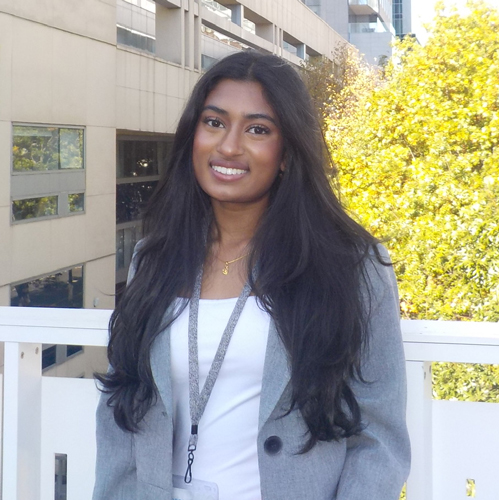
About Pranavi Mancham, honorable mention
Pranavi Mancham is a senior at River Bluff High School in Lexington, where she studies AP language and composition under Jon Lavoisier. The daughter of Tulasi and Sathiraju Mancham, Pranavi is heavily involved in DECA, from which she has won multiple regional and state awards and served as a state officer. She plans to attend law school and practice law.