by Grace Perkins
In America, the leading cause of death for children and teens is firearms. Still, concealed carry laws flood states across the country, including South Carolina. In our state, this law is referred to as the Constitutional Carry Law, stemming from the Second Amendment. South Carolina is one of twenty-nine states that do not require a permit to carry a firearm, meaning anyone over the age of eighteen can own and carry a gun in public. No permit. No wait. No training. There is no straightforward way to know who is buying a firearm or what their intentions are.The Constitutional Carry Law is irresponsible and promotes a sense of fear within our state; fear that will never fade until the law does too.
South Carolina is not unfamiliar with mass shootings, not before the law, and not after. The Myrtle Beach shooting in April of 2025 included eleven people injured after a fight and ensuing gun battle on the beach during a raucous spring break celebration. Eleven lives are forever altered, alongside the people who were witnesses to this tragic event. Another instance is the Memorial Day shooting in Little River in May of 2025. Ten people were shot on a charter boat while enjoying a holiday cruise. These are two examples of mass shootings that occurred since the law was passed, not to mention vast amounts of untelevised and unspoken tragedies that have also taken place in the state. There have been over one hundred more in the last year.
Over one hundred incidents – over one hundred lives changed – over one hundred dead. However, incidents do not seem to have much effect on voters or the lawmakers in Columbia. After all, one of their own, Senator Clementa Pinckney, died in the 2015 Mother Emanuel church shooting in Charleston. The shooter, Dylan Roof, was not eligible to buy a gun, but due to errors in the FBI background check, the sale proceeded. State law at the time said that guns were only allowed in churches with pastoral permission, and Senator Pinckney, the pastor at Emanuel AME, was an outspoken opponent of concealed carry in places of worship. Even after his death, our state did not strengthen gun restrictions, but in less than ten years actually made it easier for people to carry weapons in public.
A main supporting stance of the Constitutional Carry Law is the belief that if more guns are out there, people can defend themselves and others in the event of a mass shooting. This was certainly a topic of discussion after the Charleston Church shooting. However, firearms are not allowed in churches, even with the new law, so the argument is invalid. Additionally, there has been a recent surge in debate over allowing teachers to open carry in schools. This is simply irresponsible. This idea could potentially put so many kids at risk. The chance that a student pulls the gun off the teacher's hip or a teacher suddenly snaps in an act of rage is high. The only way to put a stop to these acts of horrific violence is to issue stricter gun laws that mandate background checks and a national database for those seeking to purchase guns. That will lower gun violence, not more guns.
This constitutional carry law raises so many questions, but the most important one is “how many more incidents will it take until a change occurs?” South Carolinians may have the right to carry a gun, but they should always have the right to feel safe. This problem will not solve itself like people expect, and if it does solve itself, it will take a lot more time, and more people will get hurt. So, while lawmakers are protecting the murderers, there are parents, grandparents, teachers, priests, people walking on the street, wondering when the next mass shooting will be.
Works Cited
Charles, Patrick J. “Constitutional carry of guns | Pros, Cons, Debate, Arguments, U.S. Constitution, Guns, Permits, & Concealed Carry.” Britannica, 9 August 2025, https://www.britannica.com/procon/constitutional-carry-of-guns-debate.
“Gun Violence Statistics for South Carolina.” ZeroEyes, https://zeroeyes.com/states/south-carolina/.
McMaster, Henry D., and Mark A. Keel. “Constitutional Carry Guidance.” South Carolina Law Enforcement Division, https://sled.sc.gov/.
Richardson, Terri. “Victims recount night of deadly mass shooting in Myrtle Beach. What SLED report says.” Myrtle Beach Sun News, 10 September 2025, https://www.myrtlebeachonline.com/news/local/crime/article312052383.html.
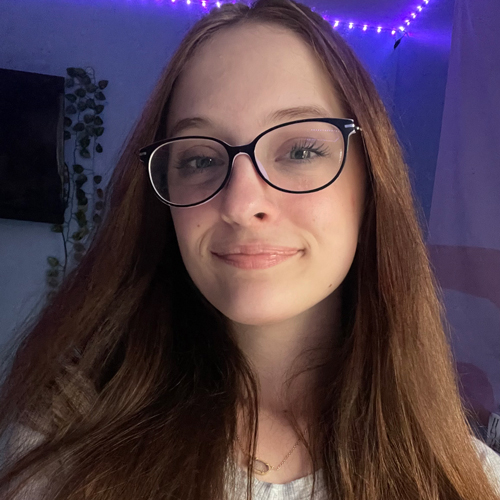
About Grace Perkins
Grace Perkins is a junior at James F. Byrnes High School in Duncan, where Dr. Susanne Cash is her AP Language and Composition teacher. The daughter of Matthew and Loralynn Perkins, Grace plans to study law and business and pursue a career in political law.