
Learn the Basics (How & Why)
Learn the benefits and tips for integrating active learning into your classroom through exercises that can range from 15 minutes to an entire semester.
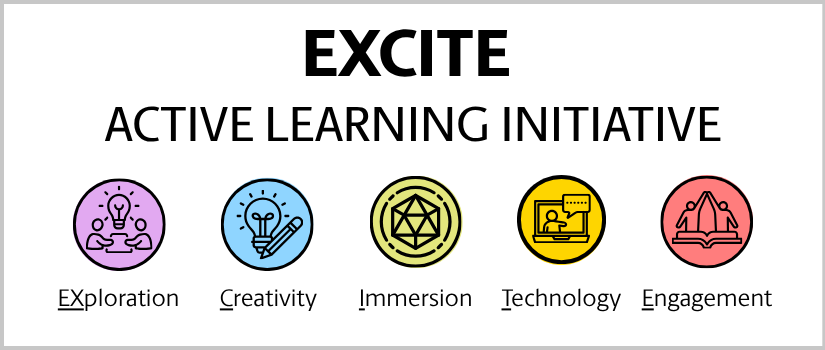
Active learning is a student-centered approach that engages students as active participants throughout the learning process. The CTE's EXCITE Initiative provides resources, strategies, and professional development to help you incorporate active learning into your teaching. Explore techniques that promote critical thinking, creativity, discussion, and hands on learning. Whether you're using Think-Pair-Share, case studies, creative AI, or virtual reality, EXCITE can help you engage students in meaningful ways.
Spark student motivation and engagement in ways tailored to your class size, format, and discipline.
Learn the benefits and tips for integrating active learning into your classroom through exercises that can range from 15 minutes to an entire semester.

Browse videos, downloadable handouts, research, and online resources designed to increase student participation and engagement.

Attend webinars and hands-on workshops that teach you everything from theory to in-class exercises. Earn credits toward the EXCITE Active Learning certificate.

Discover technology that supports active learning by increasing student interaction with course content, instructors, and peers.
More detailed explanations and tips for these activities can be found on our Active Learning Resources page,
Educators come to CTE with a variety of concerns about student interaction and engagement. Here are some of the statements we have heard. Do any of these sound familiar to you? If so, expand each topic to explore tips and resources we offer to help with these challenges.
Active learning in teaching is any instructional approach that asks students to do something meaningful with course content. This might include discussing, applying, analyzing, reflecting, creating, or solving problems. The goal is for students to engage with ideas rather than simply receiving information.
Resources:
Active learning looks and feels different than traditional methods of lecturing. Research shows that students tend to prefer passive techniques that require less effort, even though that leads to worse performance on assessments. Learning and cognitive growth is difficult and can be uncomfortable for students as they try to fit new information into their current ways of thinking. That effort and discomfort that they feel is literally learning happening, they just don’t realize it. Students may not feel like they learn much through these activities--even though they are!
Resources:
What are the goals of the lesson, unit, or course? What do you want students to be able to do? Give them an opportunity to practice whatever those knowledge or skills are. Start small. Add a simple activity that asks students to think about, use, or respond to what they are learning instead of only hearing or reading about it. For example, after introducing a key concept, ask students to explain it in their own words, apply it to a real-world scenario, or discuss it with a peer before moving on.
Resources:
Make sure to provide clear and purposeful opportunities for interaction and explain why. Active engagement is necessary for learning. Learning happens when we actively build knowledge through inquiry, experience, questioning, and reflection. This allows students to create their own representations of new concepts and to adjust how they see the world based on new information.
Resources:
Collaboration and guidance from others helps to build new aspects of knowledge and skills. Students benefit from hearing different perspectives and getting ideas from other students. They also benefit from having to articulate their own ideas or explain key concepts to other students. Even if they are all novices, the act of working out problems together and helping each other can increase all of their skills.
Have you tried games in your classroom? Game-based learning can alleviate some of the anxiety and concerns with group work while teaxhing valuable sklills.
Resources:
Active Learning is not just for small classrooms. Since these exercises are about activating new ways of cognitive thinking, active learning can be just as successful when used in partner and individual exercises. The video below is from an award-winning professor at USC who has plenty of ideas that you could use in classes ranging from 50-500 students.
Resource:
Active learning is not limited to technology use. For most activities, you can adapt a teaching strategy to either be digital or analog. For example, you can have active polling in the classroom using indicators other than polling software, such as having students raise their hands or an object. Another example would be having students doing the heavy lift in the classroom by finding their own case studies or solving a problem through research. If you are exploring active learning in the online classroom, consider consulting with an Instructional Designer about what tools you could use to facilitate virtual active learning.
Resources:
There are quick, easy ways to participate in active learning inside and outside of your courses that encourage and motivate students regardless of discipline. For example, activating students’ prior knowledge through reflection activities can build confidence for upcoming tasks and assessments in any course. This can occur through self-checks, concept mapping, or written reflections during the semester. You can also research active learning strategies in your discipline by locating journals focused on teaching and learning in your subject area. Finally, you could consult with an Instructional Designer to discuss active learning strategies that align with your specific course and classroom expectations.
Resources:
Rote memorization is not effective over time. To have deep learning, students need reflective and deliberate practice. It is just as important to provide opportunity for practice and feedback in class as it is to provide content. Be sure to identify the key things needed from the lesson and to focus deeply there.
Resource:
Yes! In putting together these common concerns, we used the following references. For a deeper dive into the research, feel free to contact us.
You can schedule a one-on-one consultation with the CTE team!
Game-based Learning Resources at CTE.
This group meets virtually once a month.
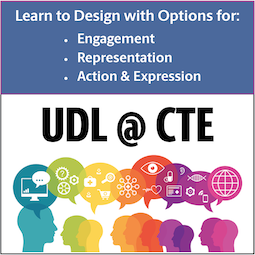
Short course, grants, and networking opportunities.

A collaborative initiative designed to explore and discuss the implications of GenAI in higher education.
Practical management and teaching strategies unique to large enrollment courses.